
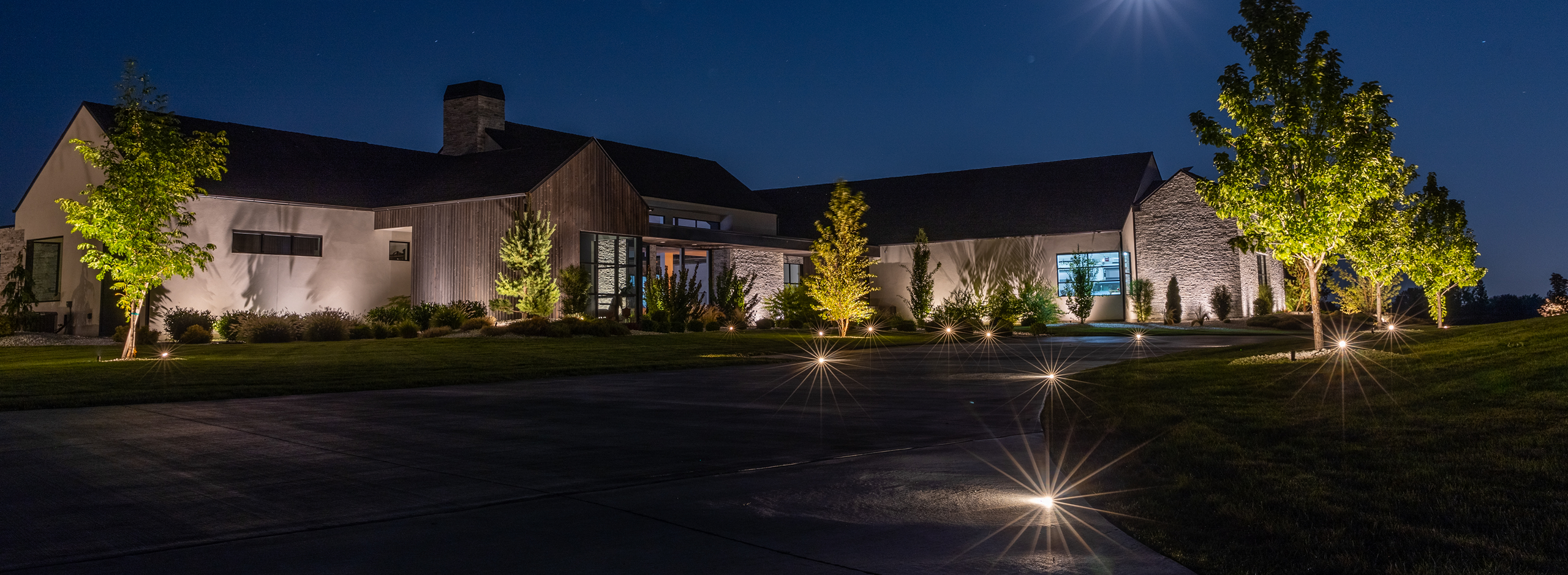
Professional Outdoor
Landscape Lighting
Serving Meridian, Eagle, Nampa, Caldwell,
Kuna & All of the Treasure Valley.


About Us
Residential & Commercial Landscape, Event, & Holiday Lighting in Boise, ID


100+
Satisfied Customers
At Treasure Valley Lighting & Display, we combine years of hands-on experience with the latest lighting innovations to transform your property into a stunning, illuminated space. From elegant landscape lighting to festive seasonal displays, our exterior lighting systems are built to last, and our expert team stands proudly behind every installation.
Top-Tier LED
Fixtures
LEDs are one of the smartest, safest, and most energy-efficient ways to add ambiance and functionality to your property.
Tailored Design Techniques
We tailor our landscape lighting designs to each property’s unique characteristics, creating a custom system that meets your needs.
Professional Installation Practices
Our expert technicians follow industry best practices for installation, ensuring your system is safe, functional, and reliable.
100% Satisfaction Guaranteed
We pride ourselves on complete customer satisfaction. If something isn’t up to your standards, you can trust us to go the extra mile to make it right.
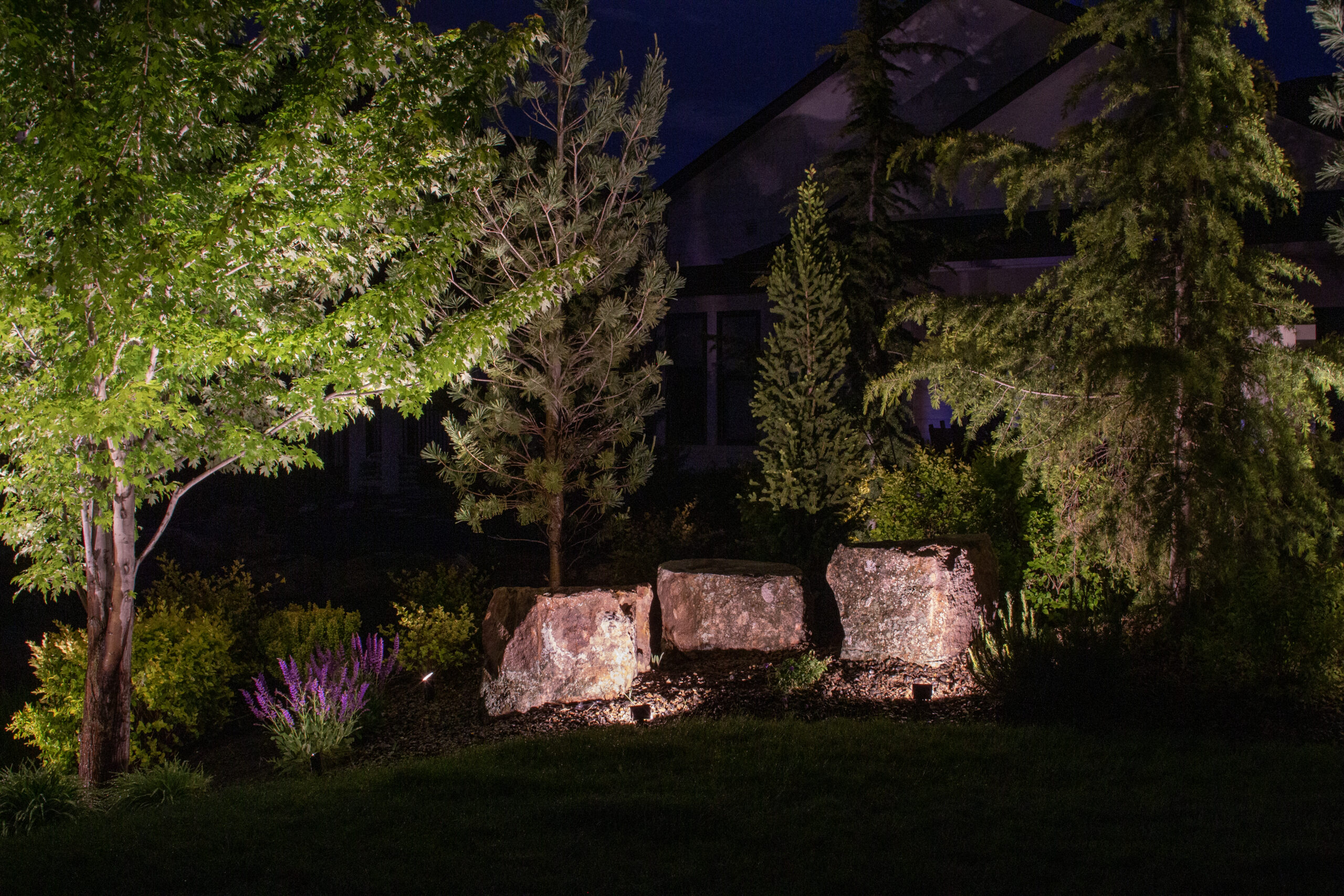
Our Gallery
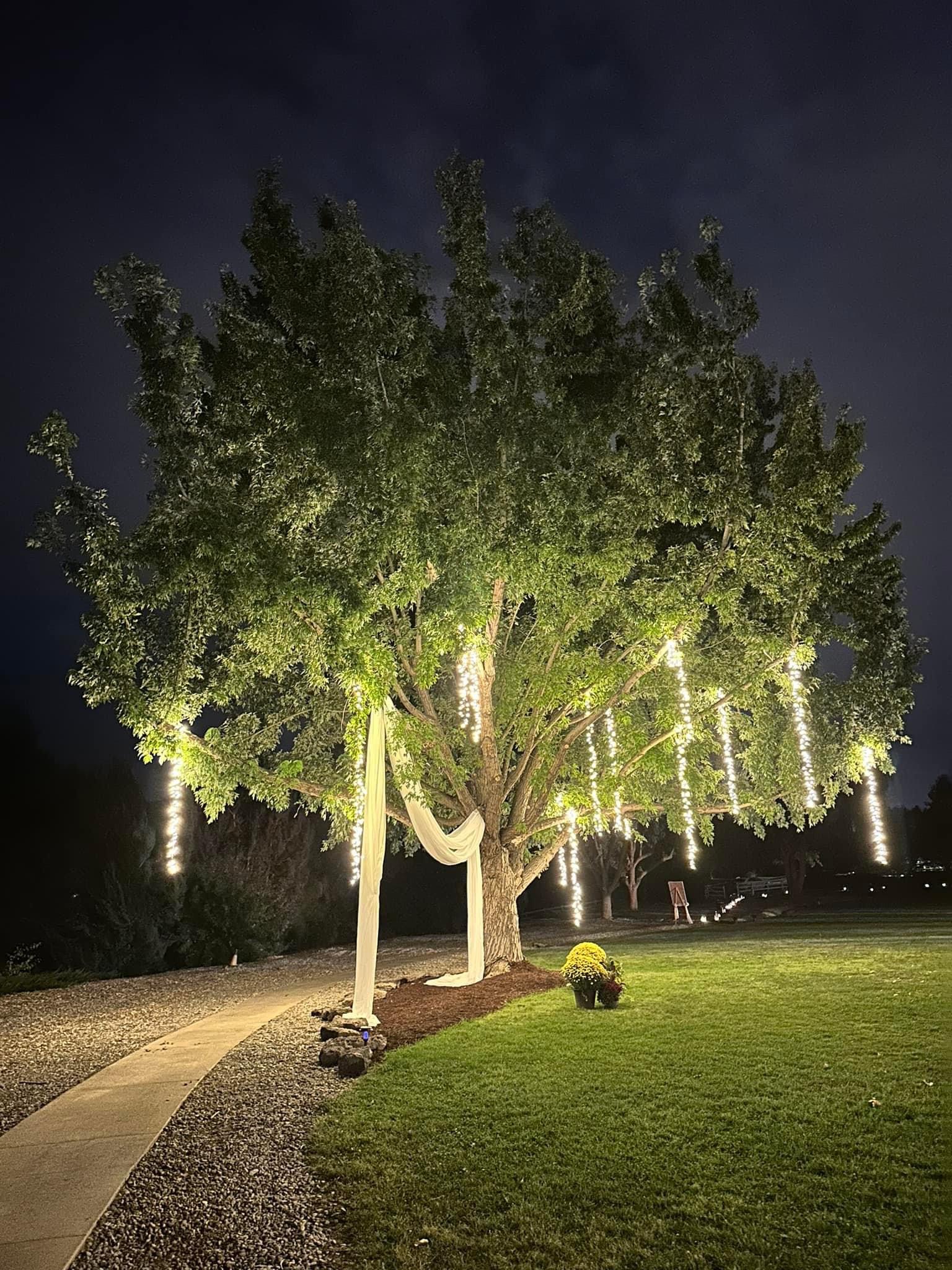
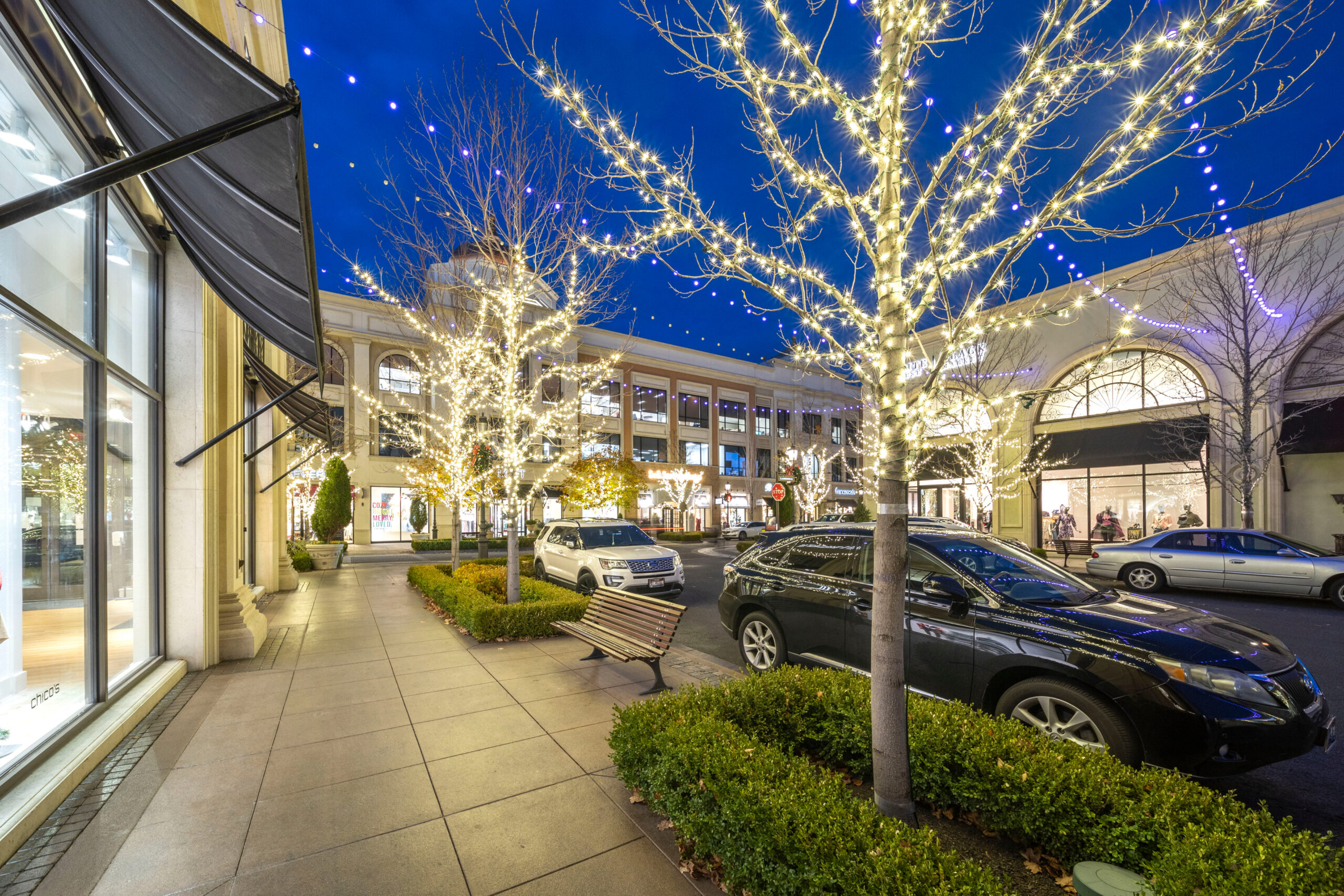
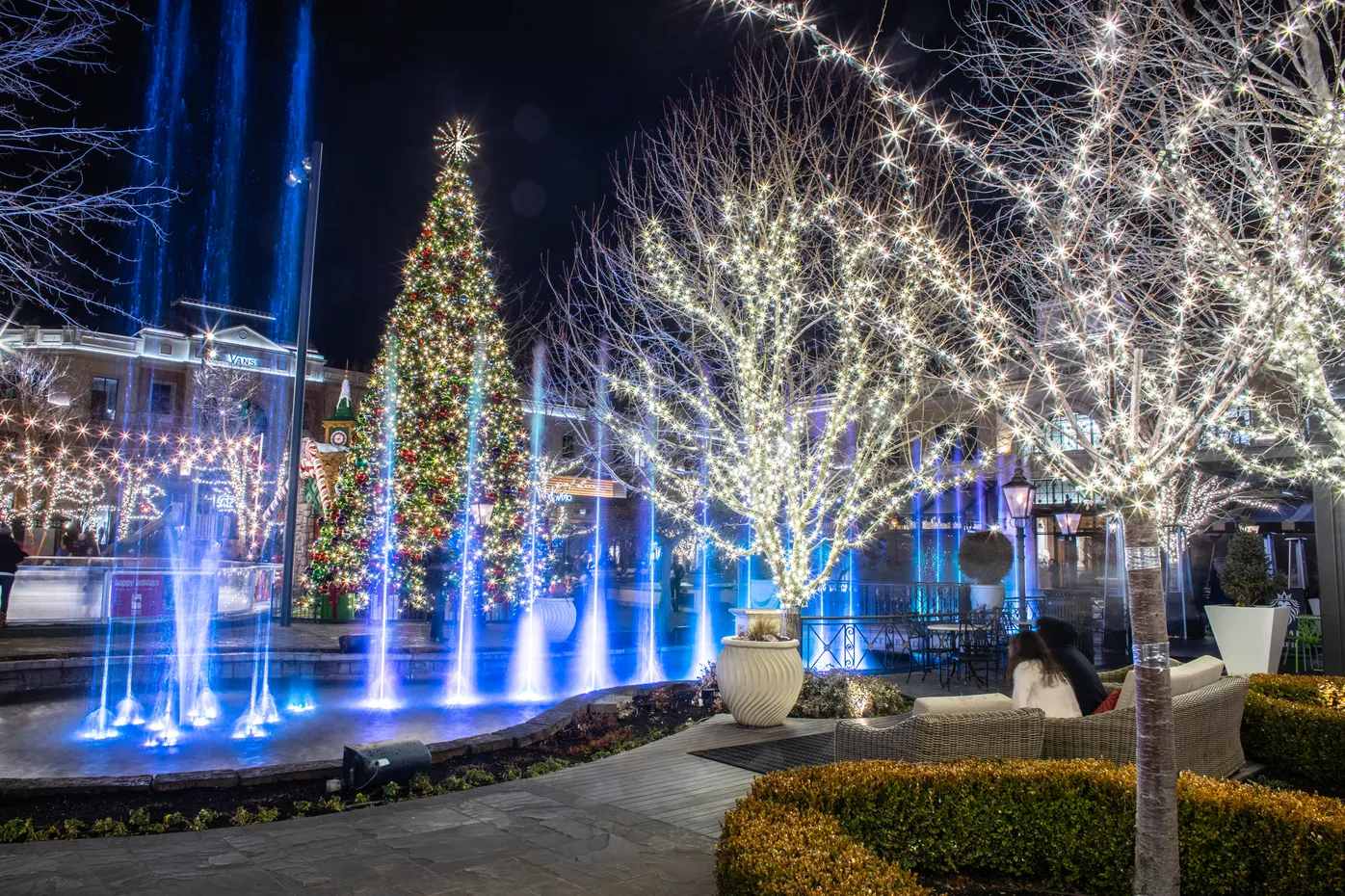
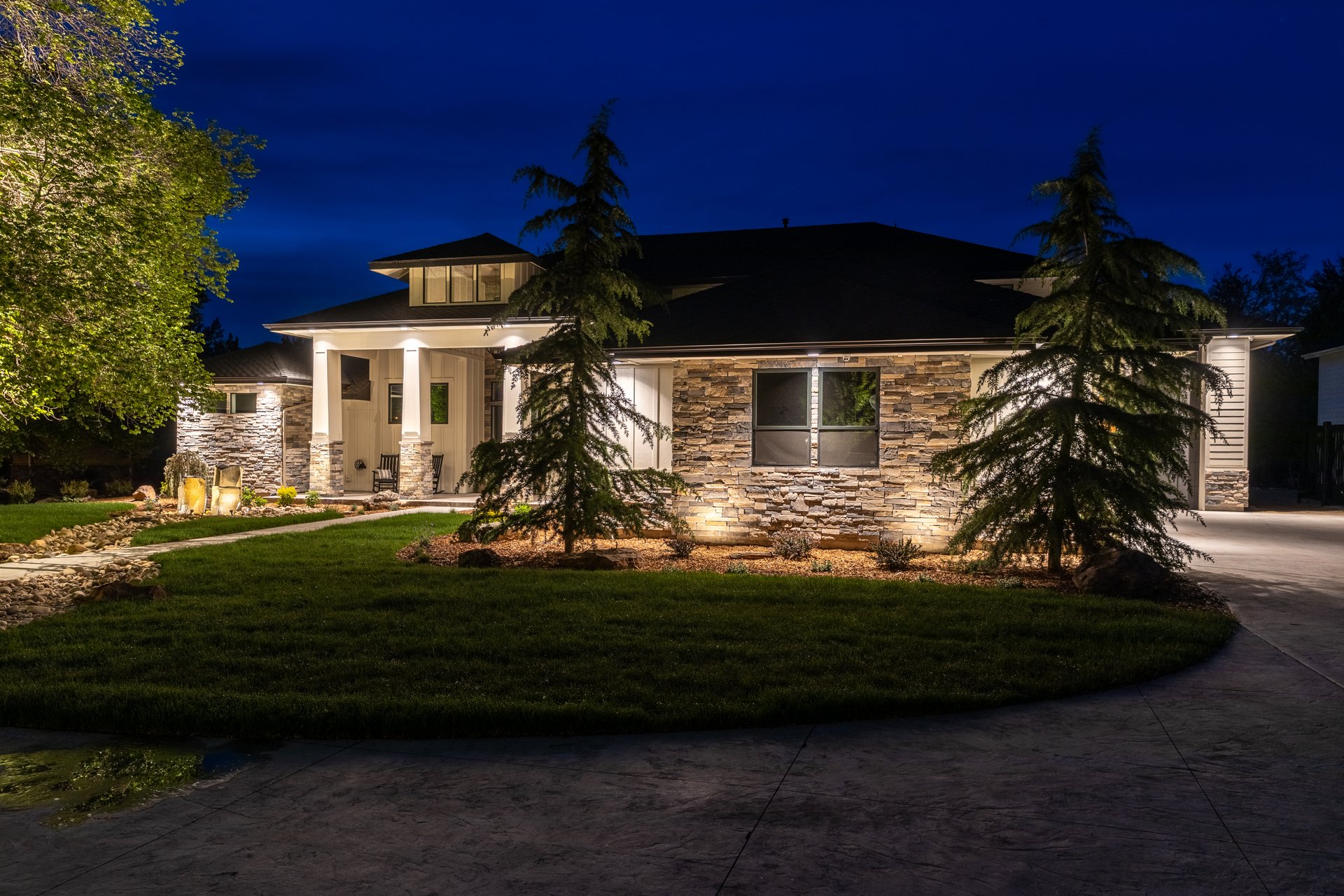
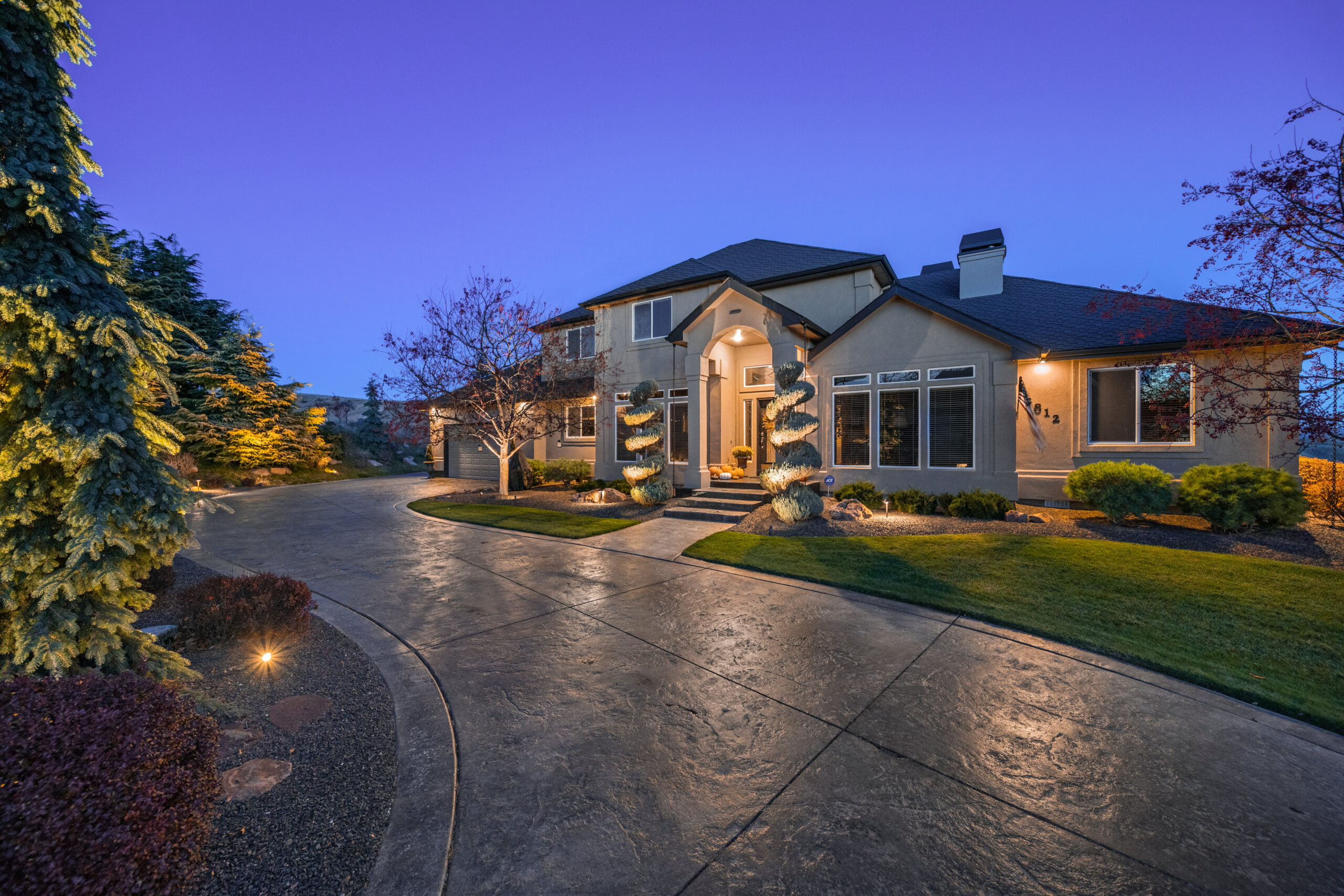
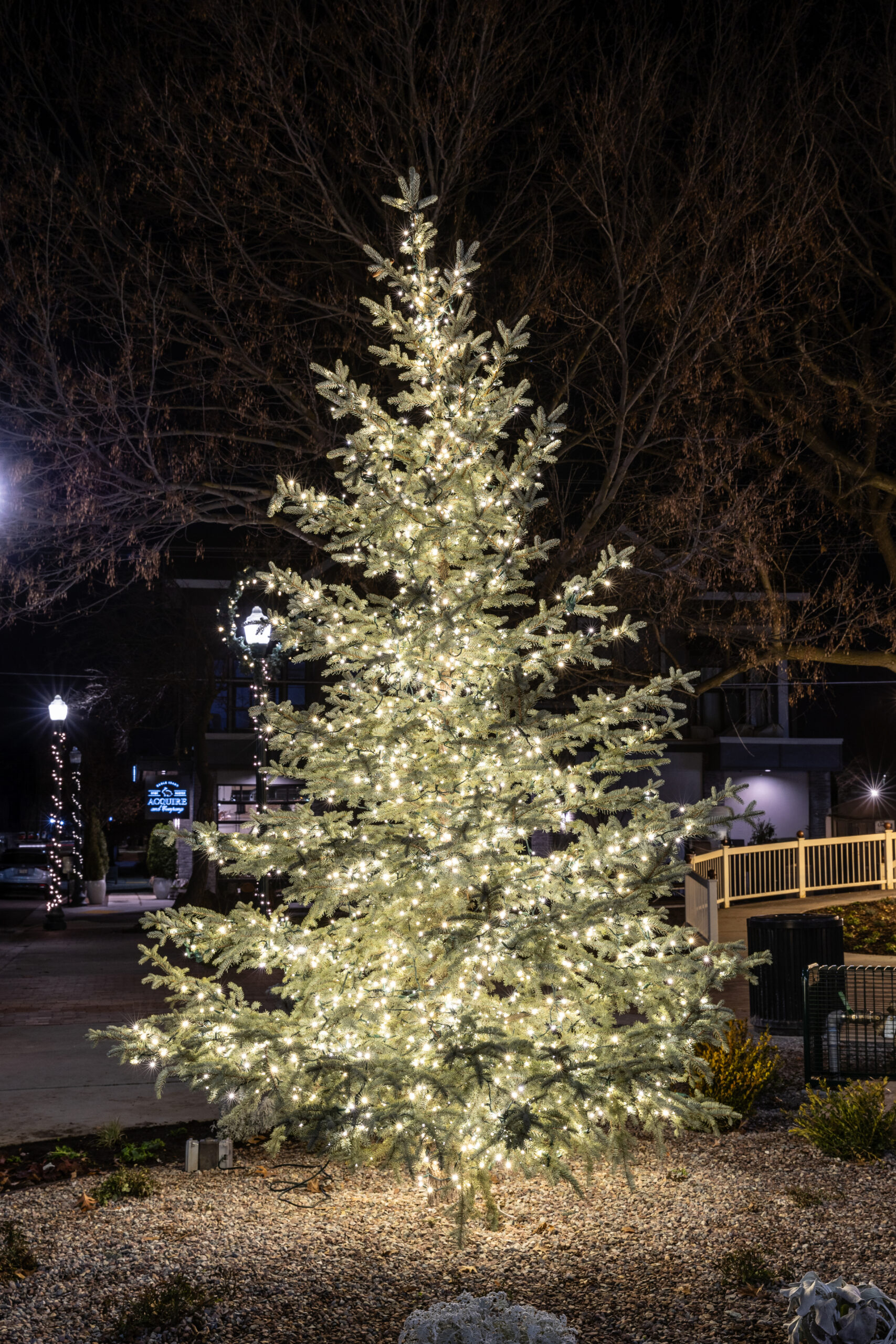
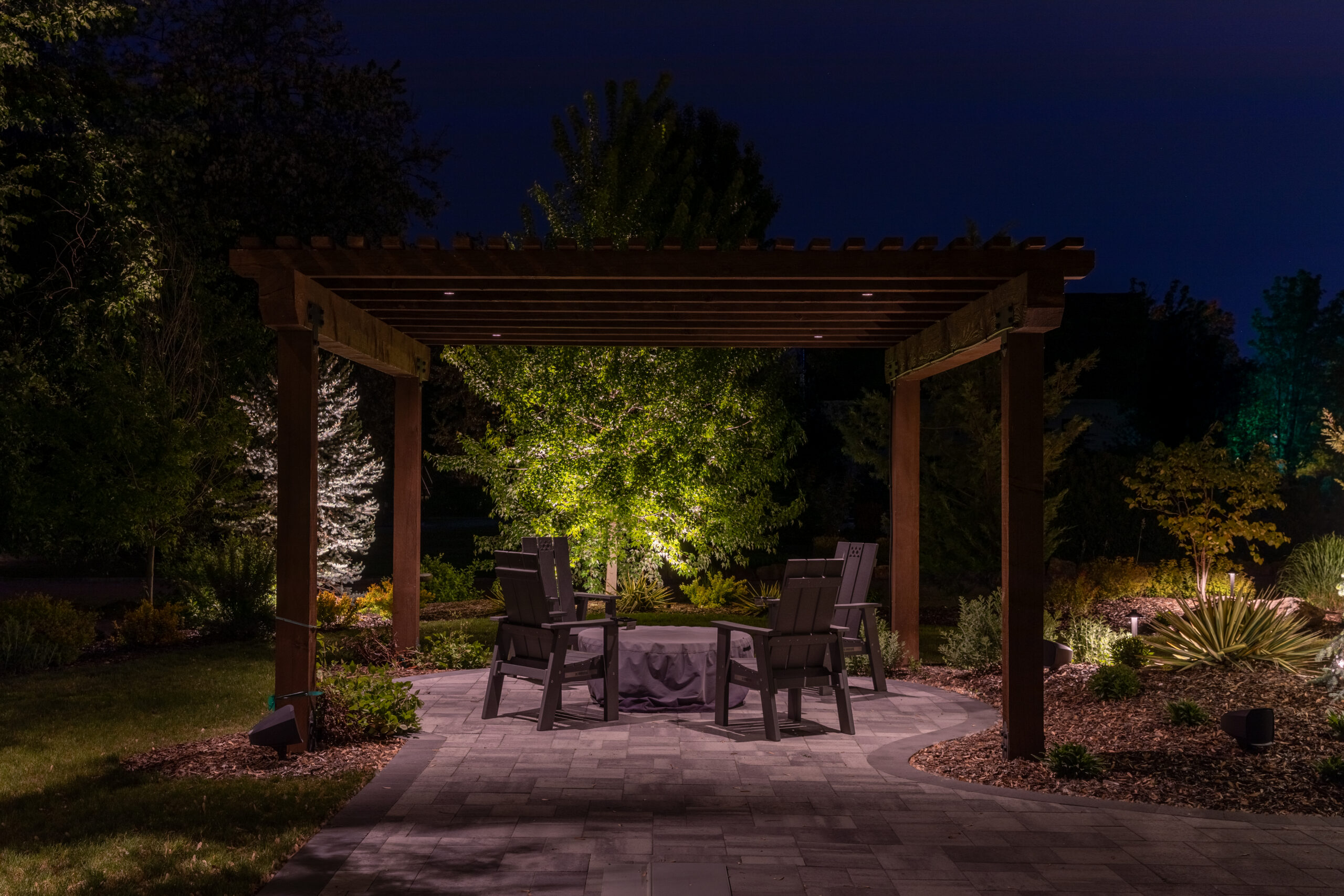
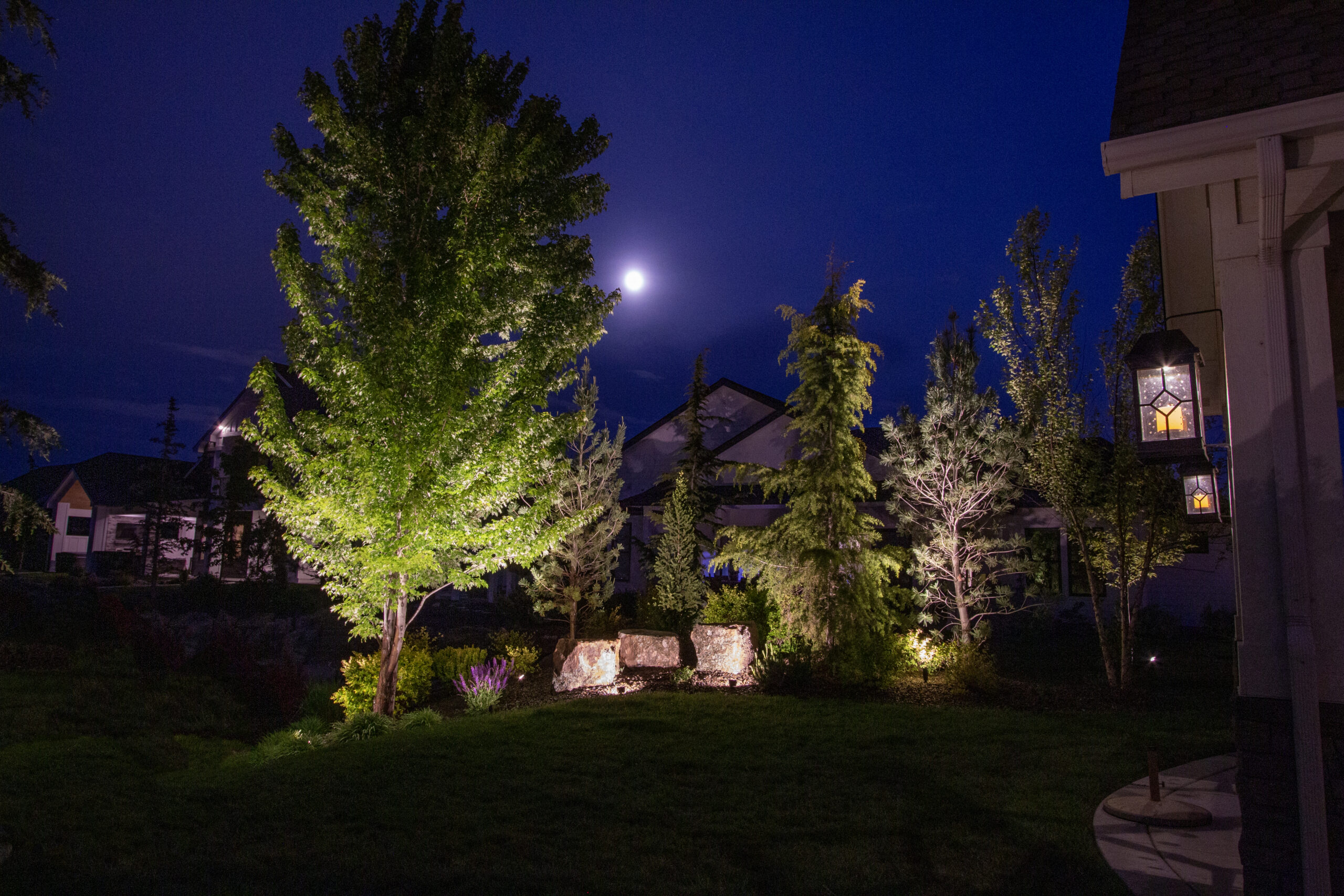
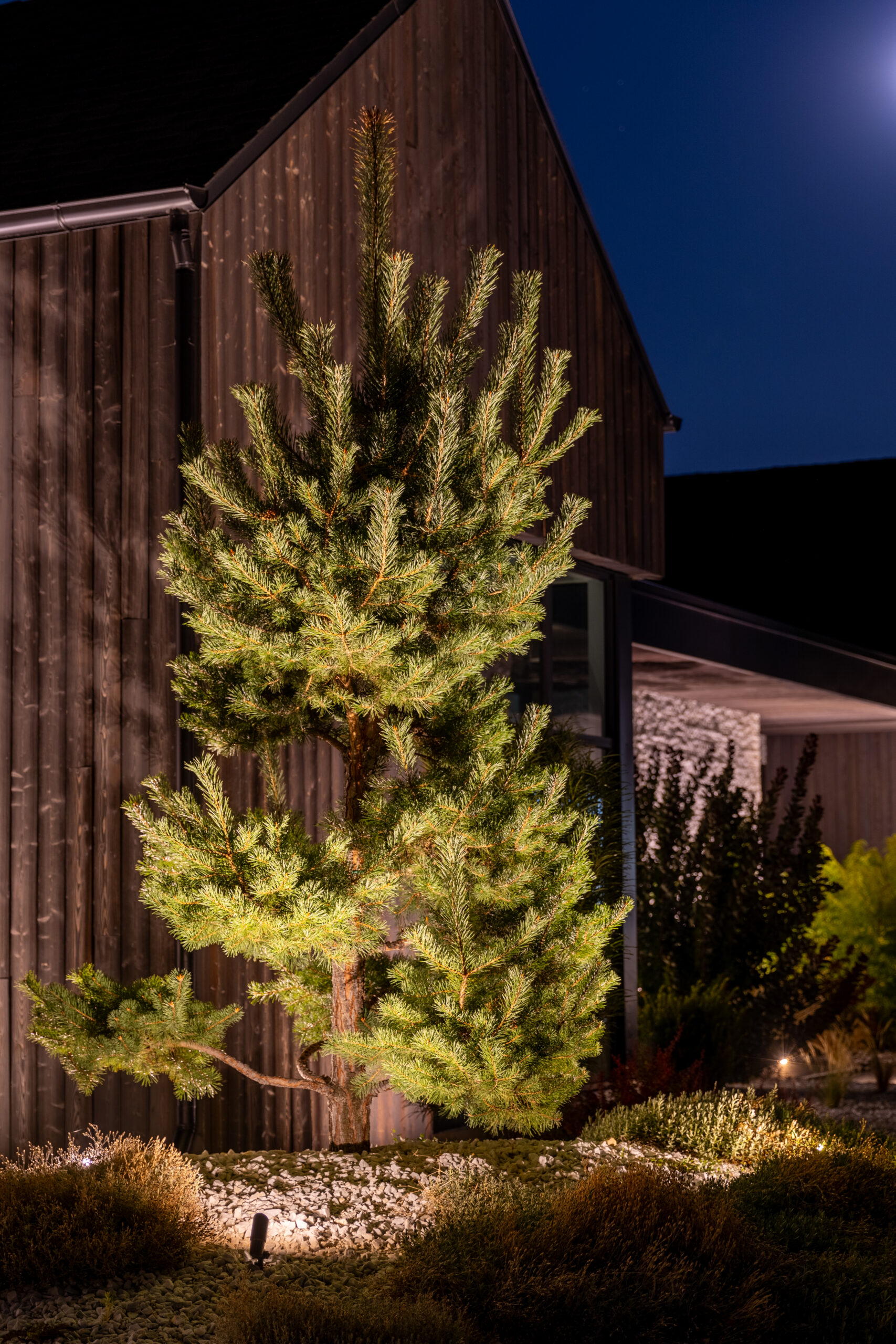
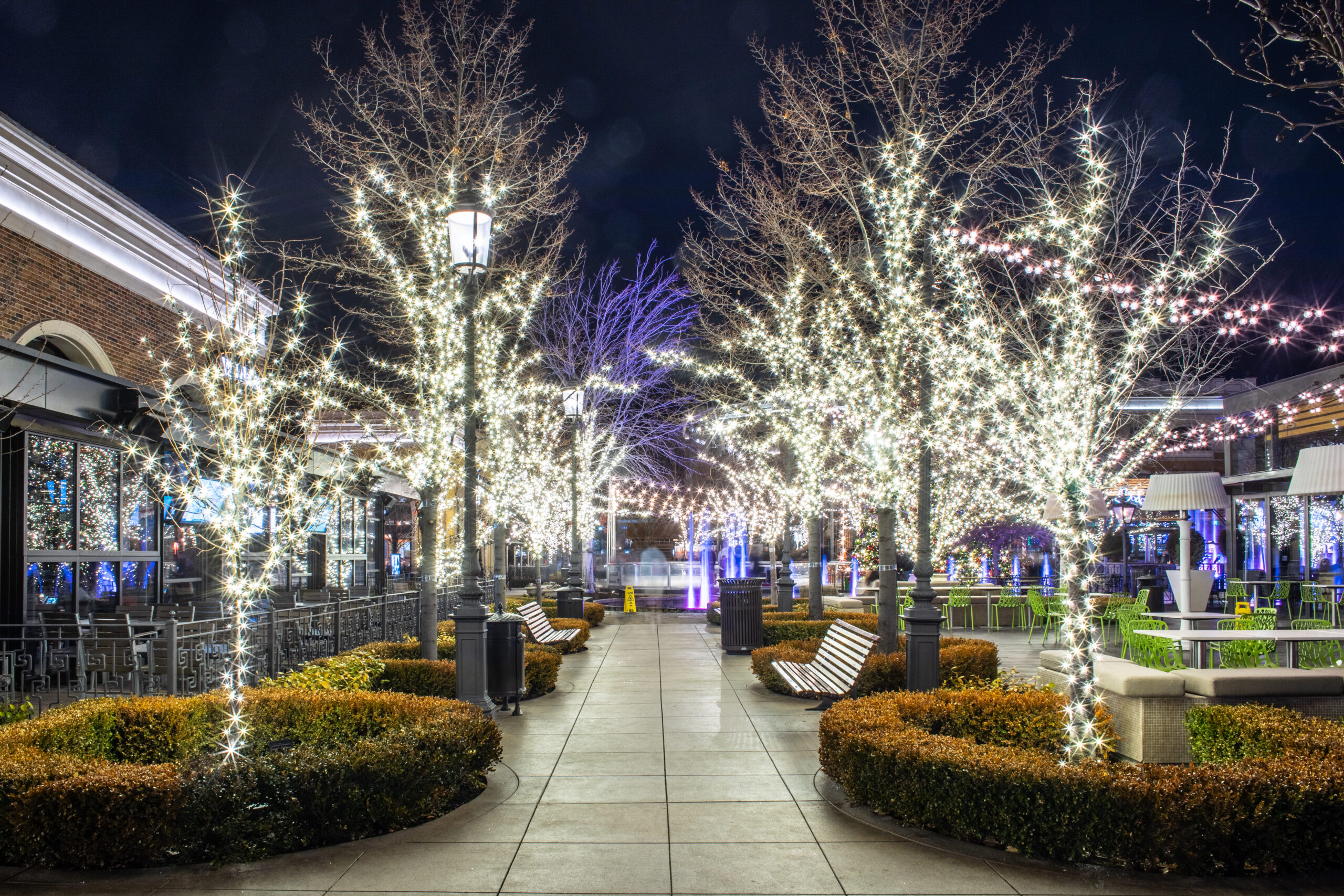
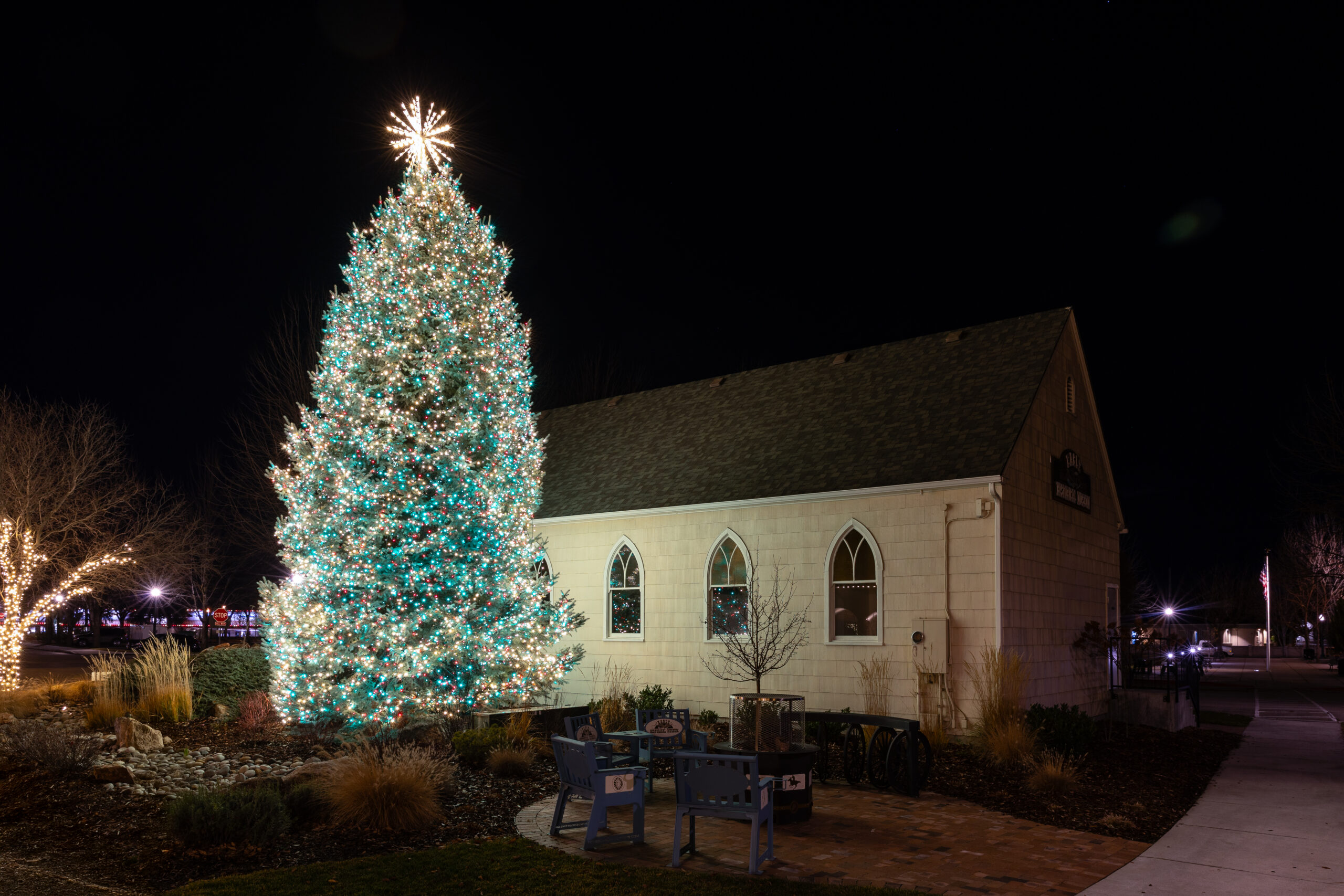
A Detailed Showcase of Our Signature
Architectural Lighting Designs
Our Services
Professional Outdoor Lighting for Every Reason and Every Season
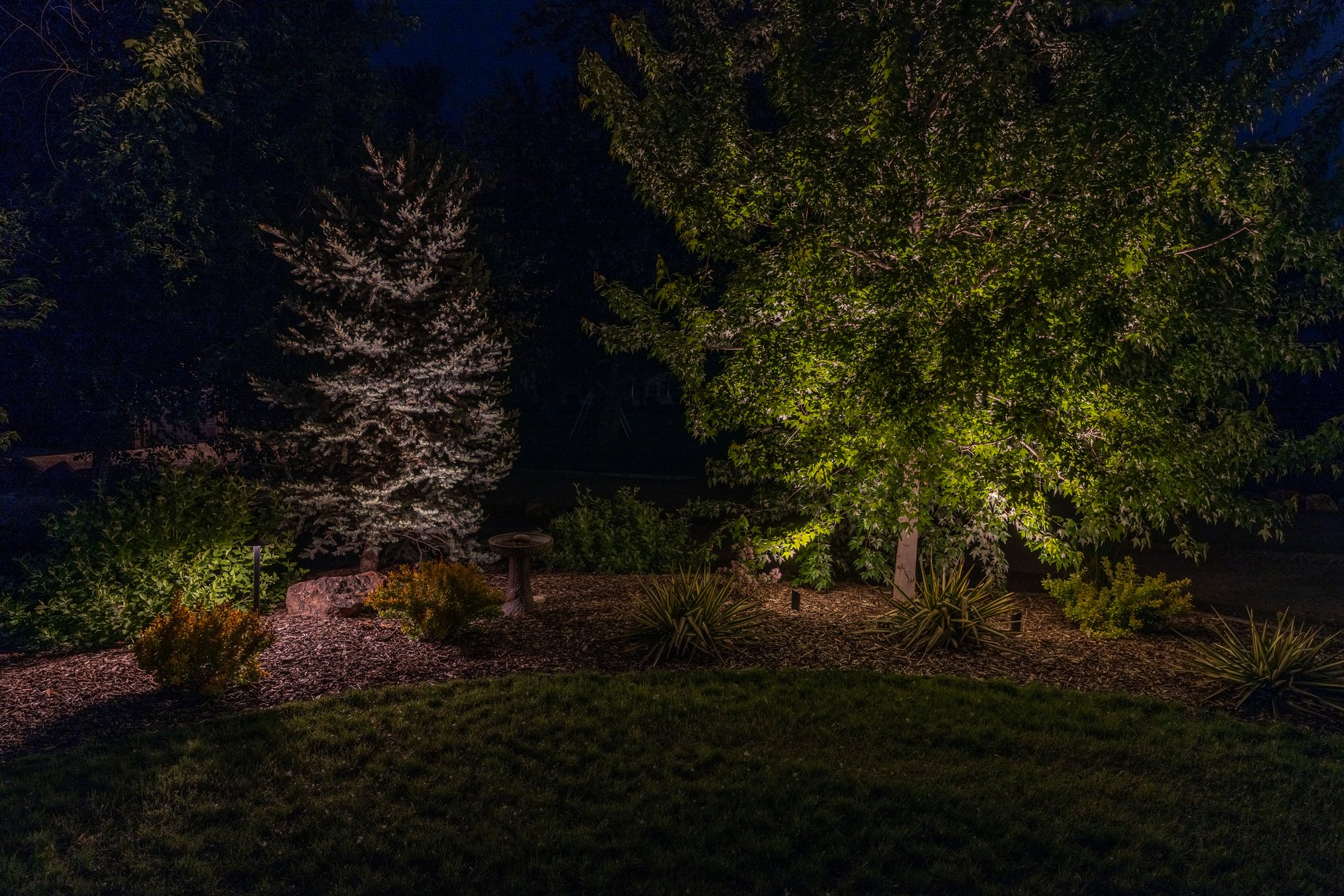
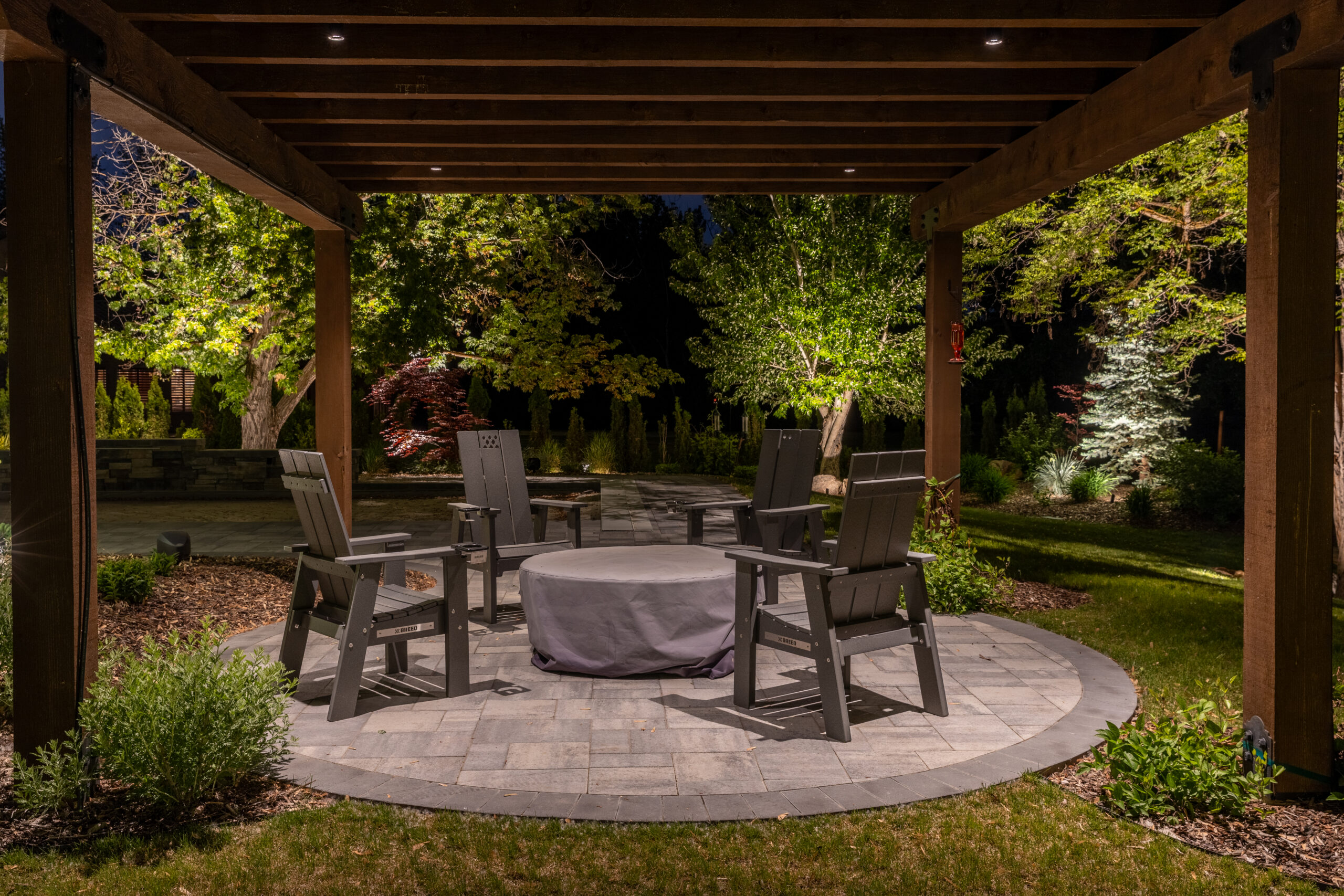
Outdoor lighting is more than path lights and uplights; it’s about creating a scene that elevates your property’s beauty, texture, and security. We specialize in using the power of thoughtfully designed landscape lighting to enhance homes and businesses across Idaho’s Treasure Valley.
See Our Gallery
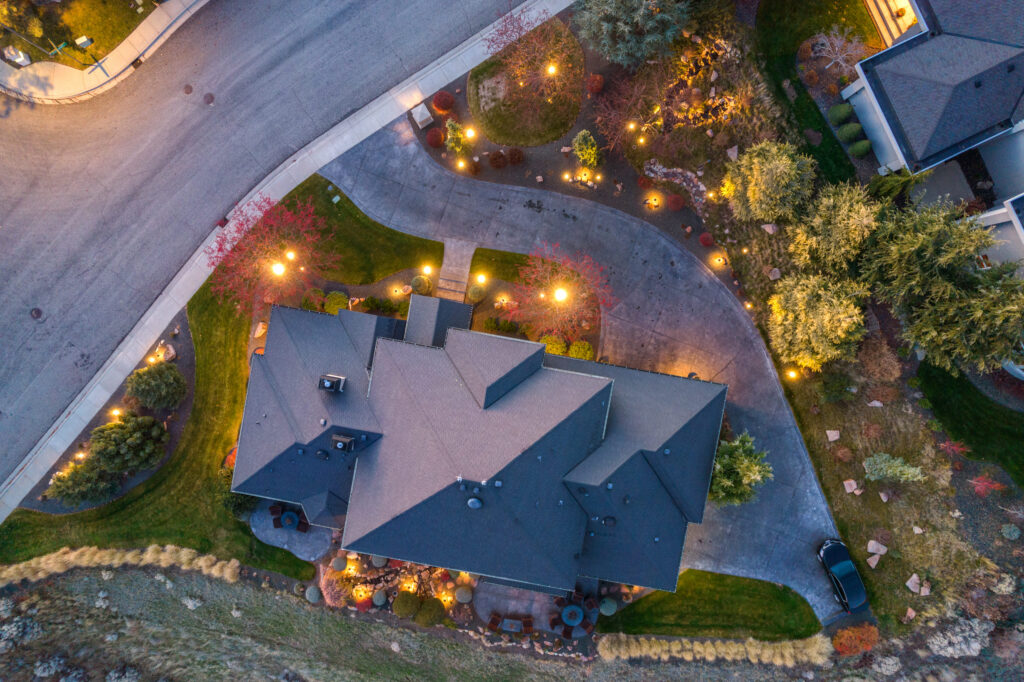
Our Process
Our Simple, Stress-Free Landscape Lighting Installation Process
Call or Text to Get Started: 208-551-1218
1
Lighting Consultation
We meet on-site to understand your vision and assess your property.
2
Design & Pricing
We develop a custom lighting plan and review options with you.
3
Professional Installation
Our skilled crew installs your system with precision and care.
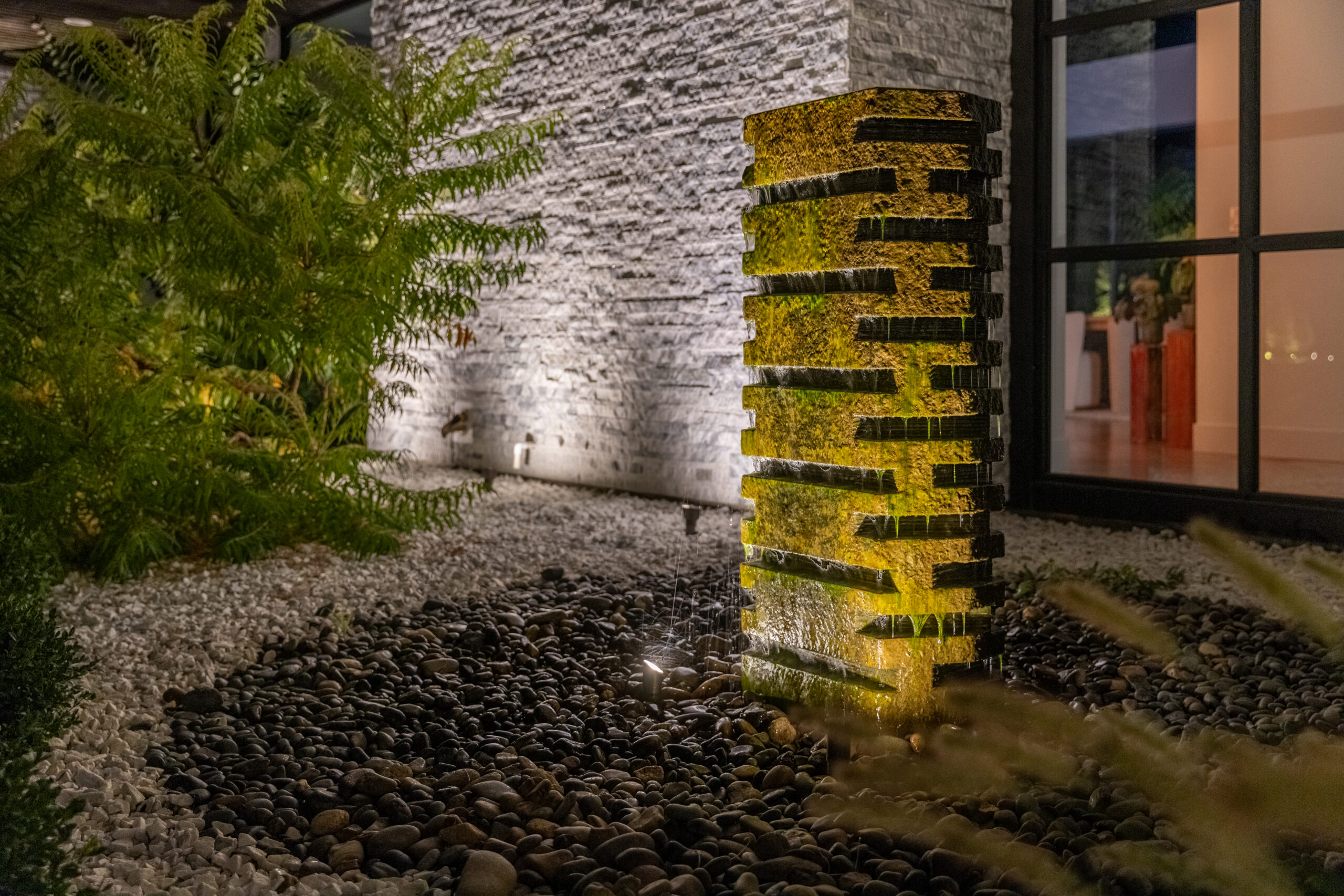
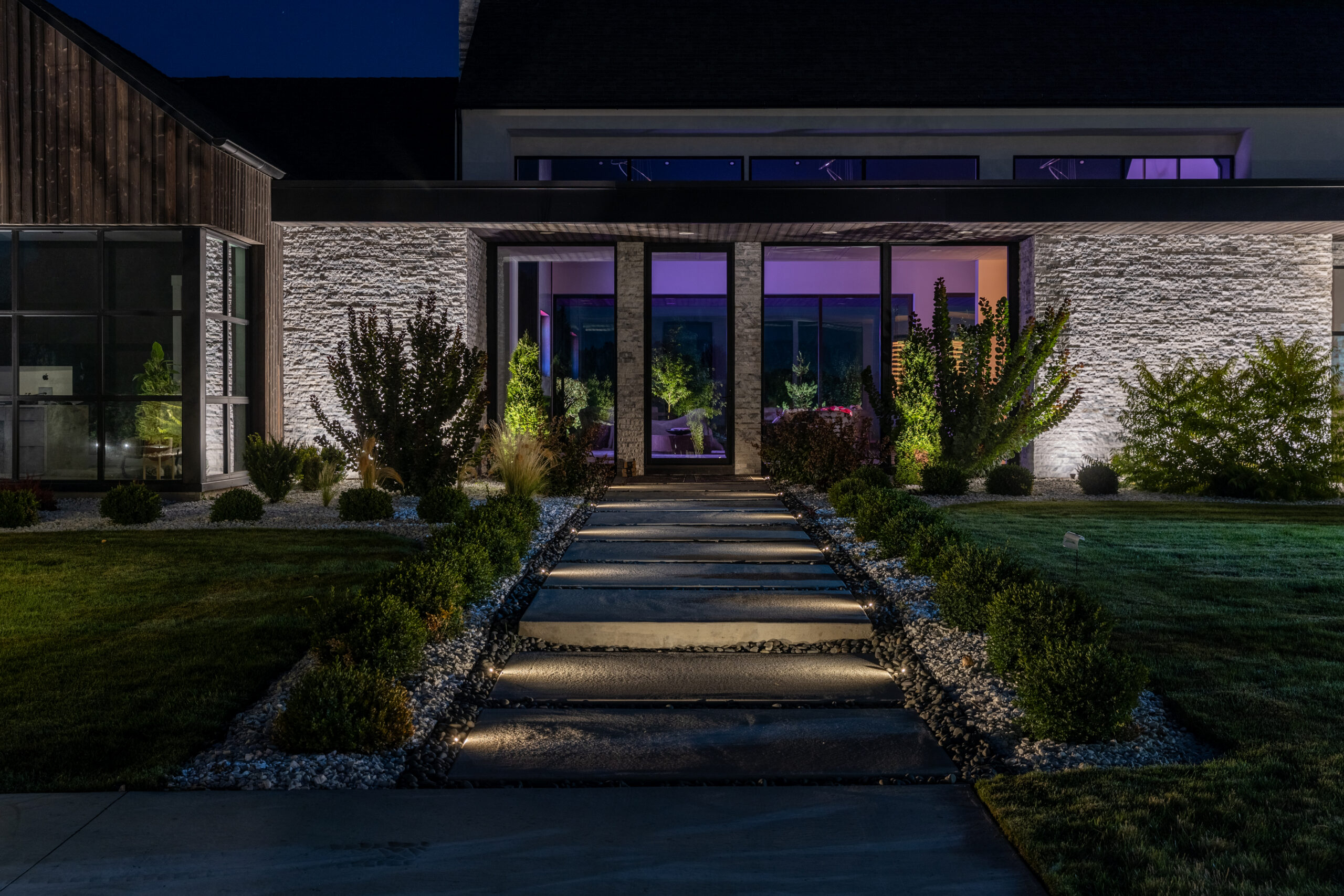
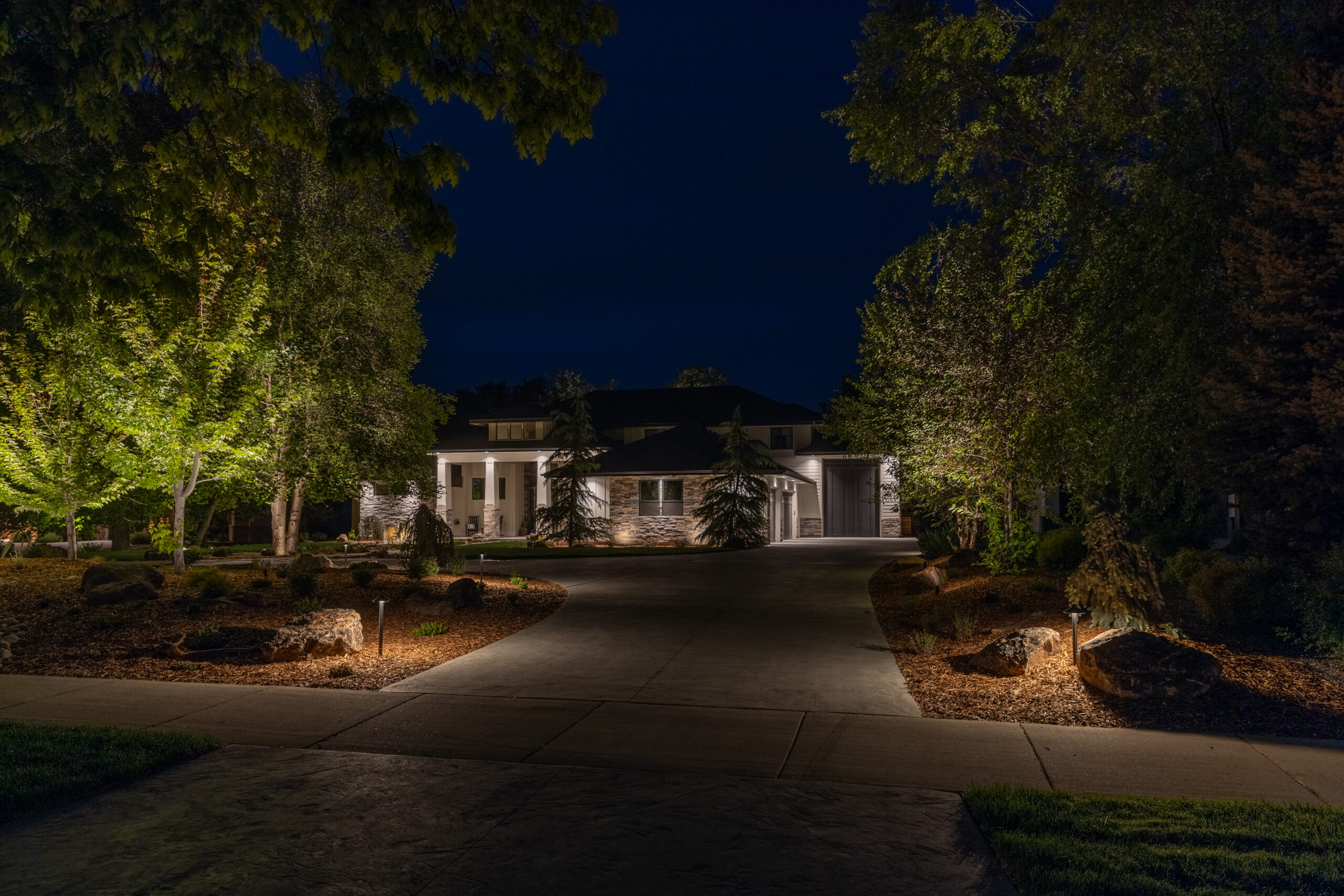
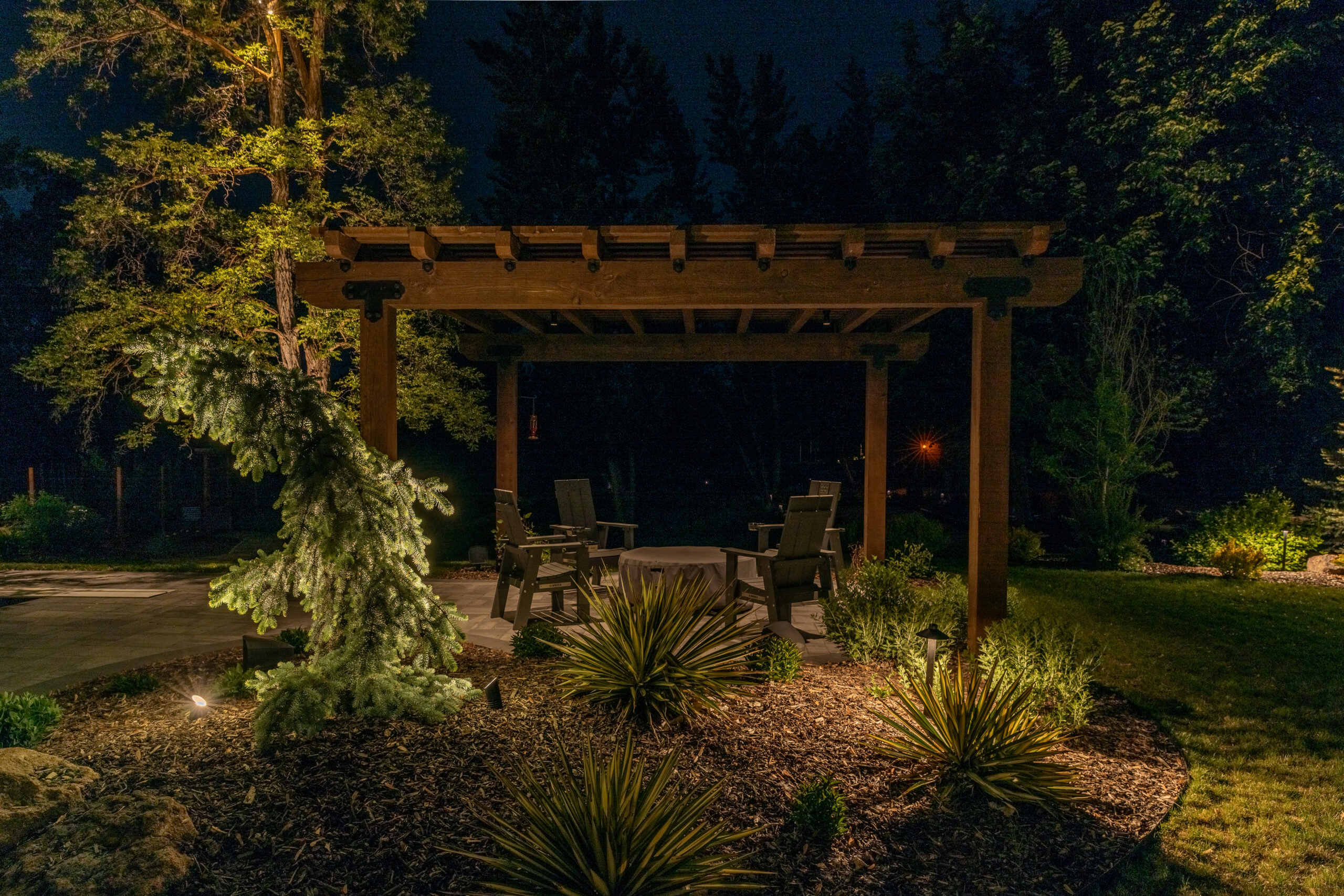
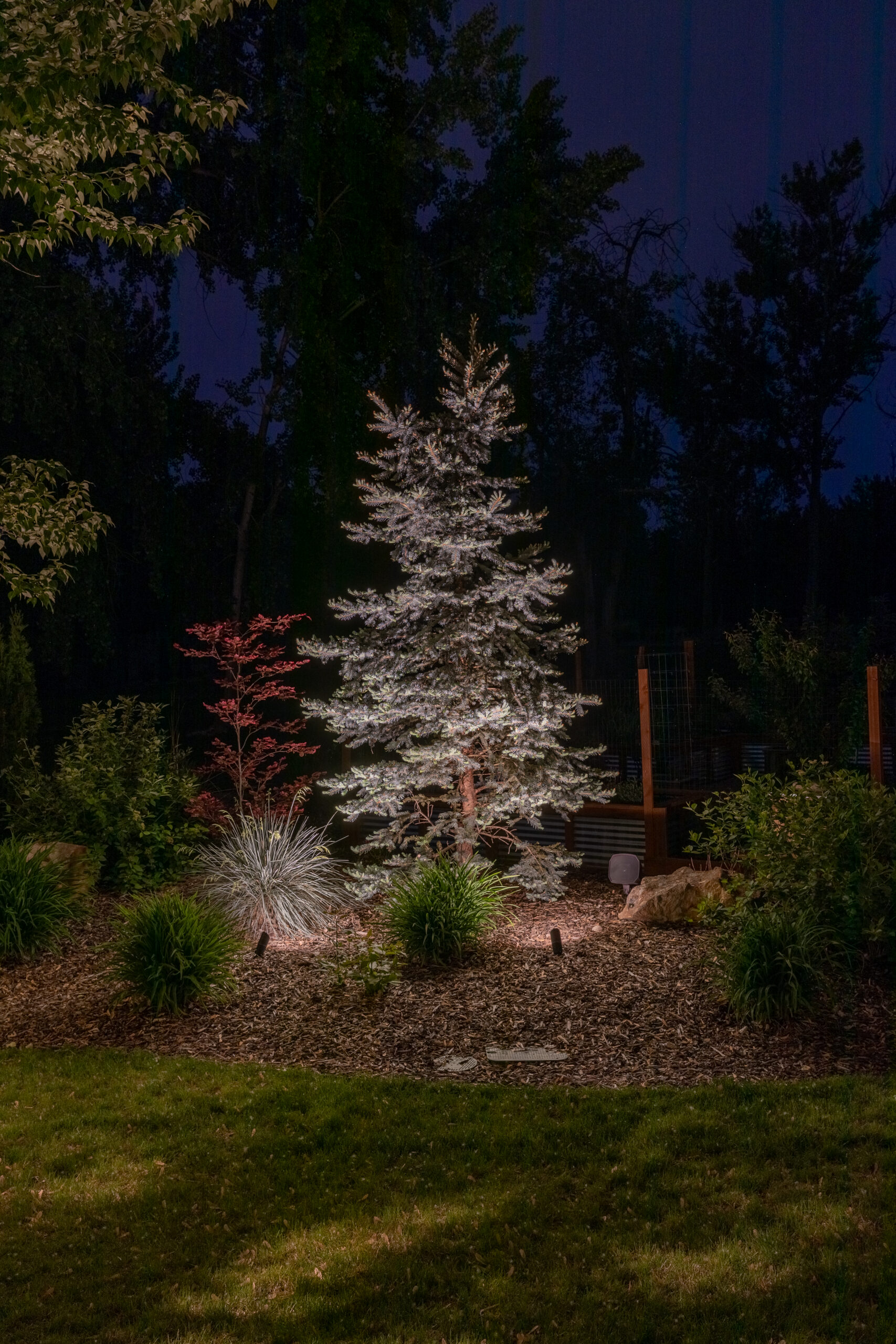
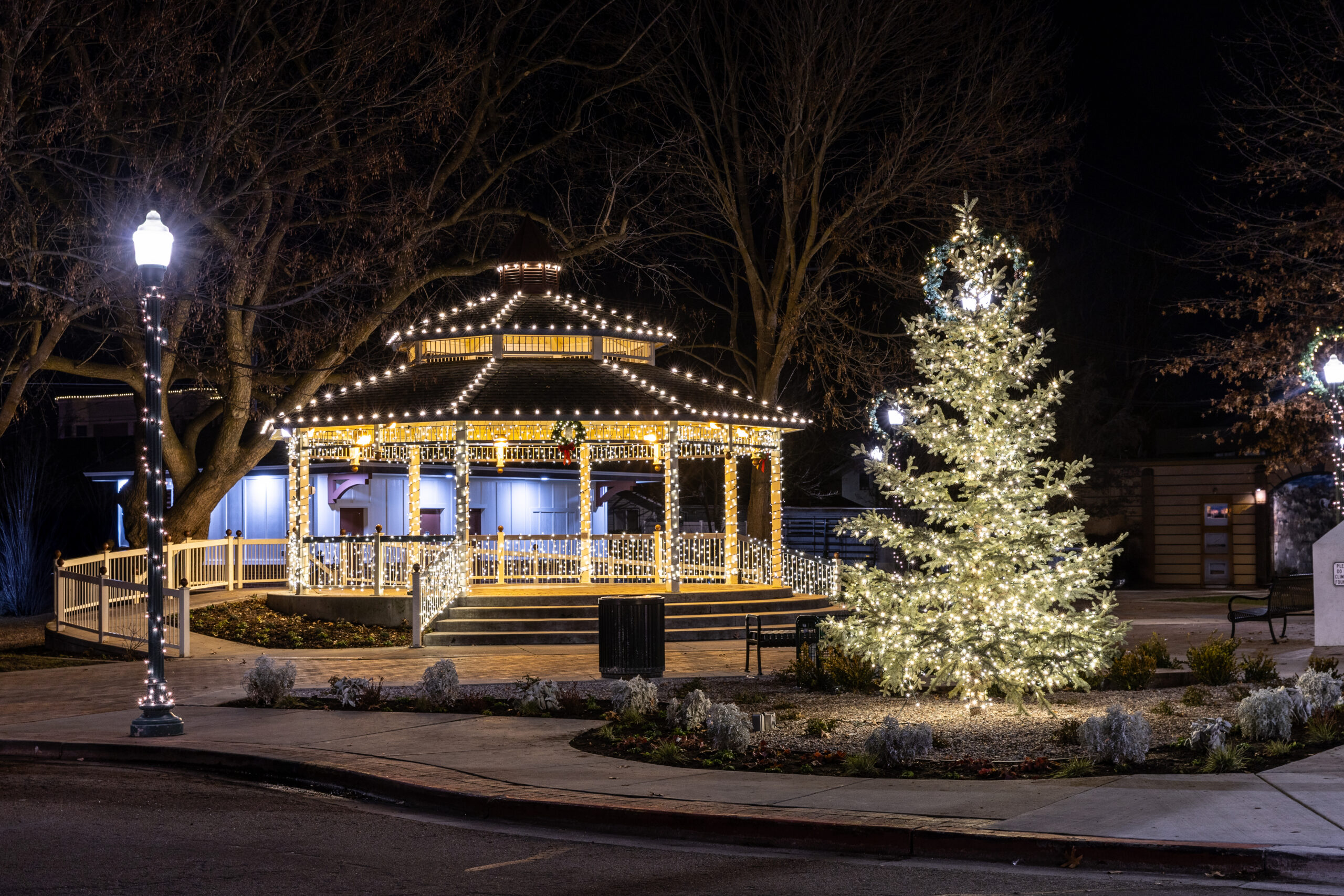
Landscape Lighting Services
Landscape Lighting That Enhances,
Protects, and Transforms
Testimonials
Hear What Our Clients Are Saying
Recent Projects
Showcasing Our Commitment to
Exceptional Outdoor Lighting
All Projects
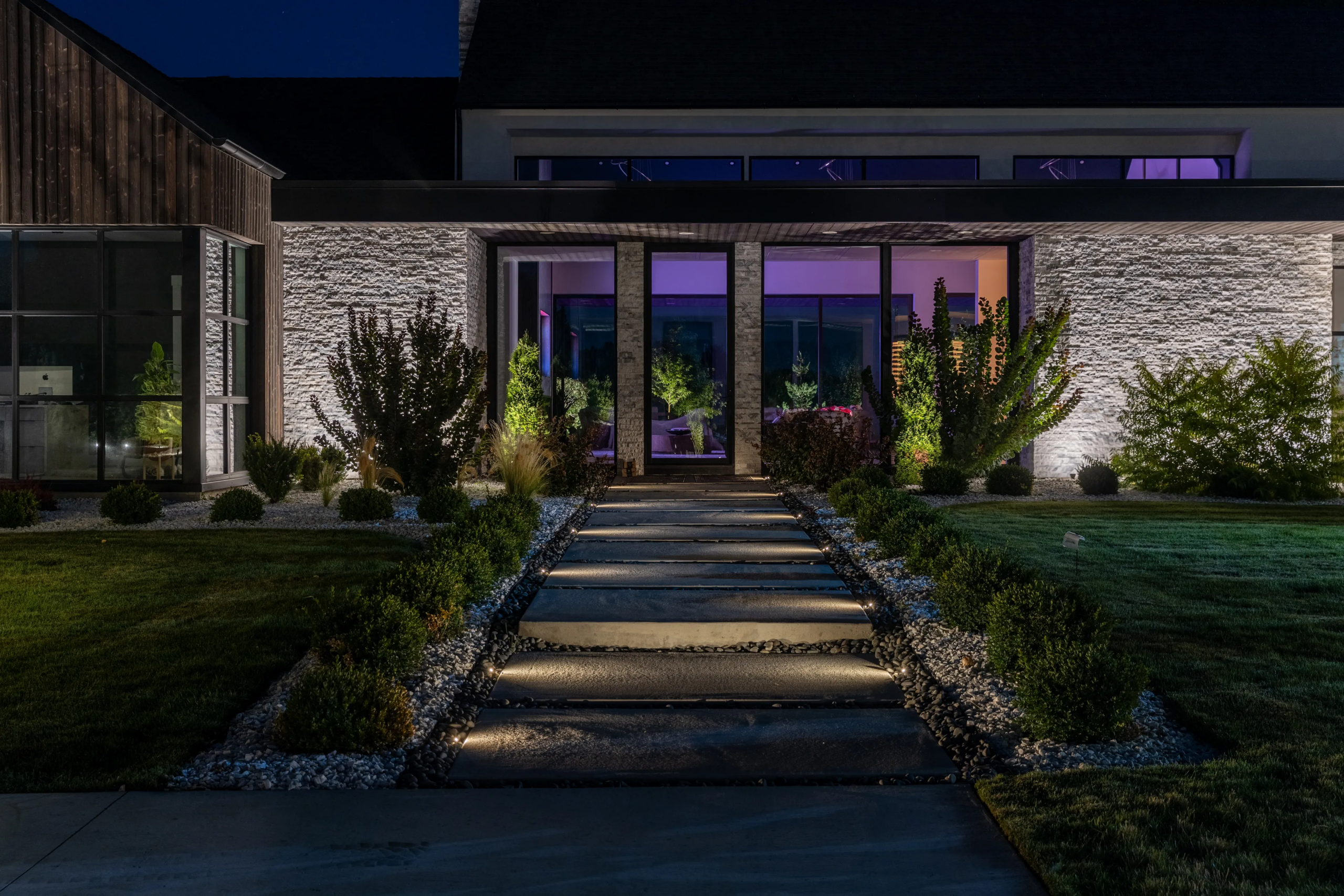
Claim Your Complimentary Night-Time Design Consultation.
Every project begins with a free consultation and verbal estimate, where we get to know your space and lighting goals and walk you through a plan that will bring your vision to life.
Frequently Asked Questions
Clear Answers for a Brighter Home Exterior
How much does landscape lighting cost?
Landscape lighting costs vary depending on the size of your property, the number of fixtures, and the complexity of the design. A professional consultation can help determine a solution that fits your goals and budget.
Is landscape lighting energy efficient?
Yes. Our landscape lighting systems use LED technology, which consumes far less energy than traditional bulbs while providing long-lasting, reliable illumination.
Does landscape lighting increase home value?
Professionally installed landscape lighting can improve curb appeal, enhance outdoor usability, and increase perceived property value. A well-lit exterior often makes a stronger impression on visitors and potential buyers.
Can landscape lighting improve home security?
Yes. Landscape lighting helps eliminate dark areas around your home, improves visibility near entrances and walkways, and can help deter unwanted activity while making the property feel safer.
Our Blog
The Expert’s Guide to
Professional Landscape Lighting
-
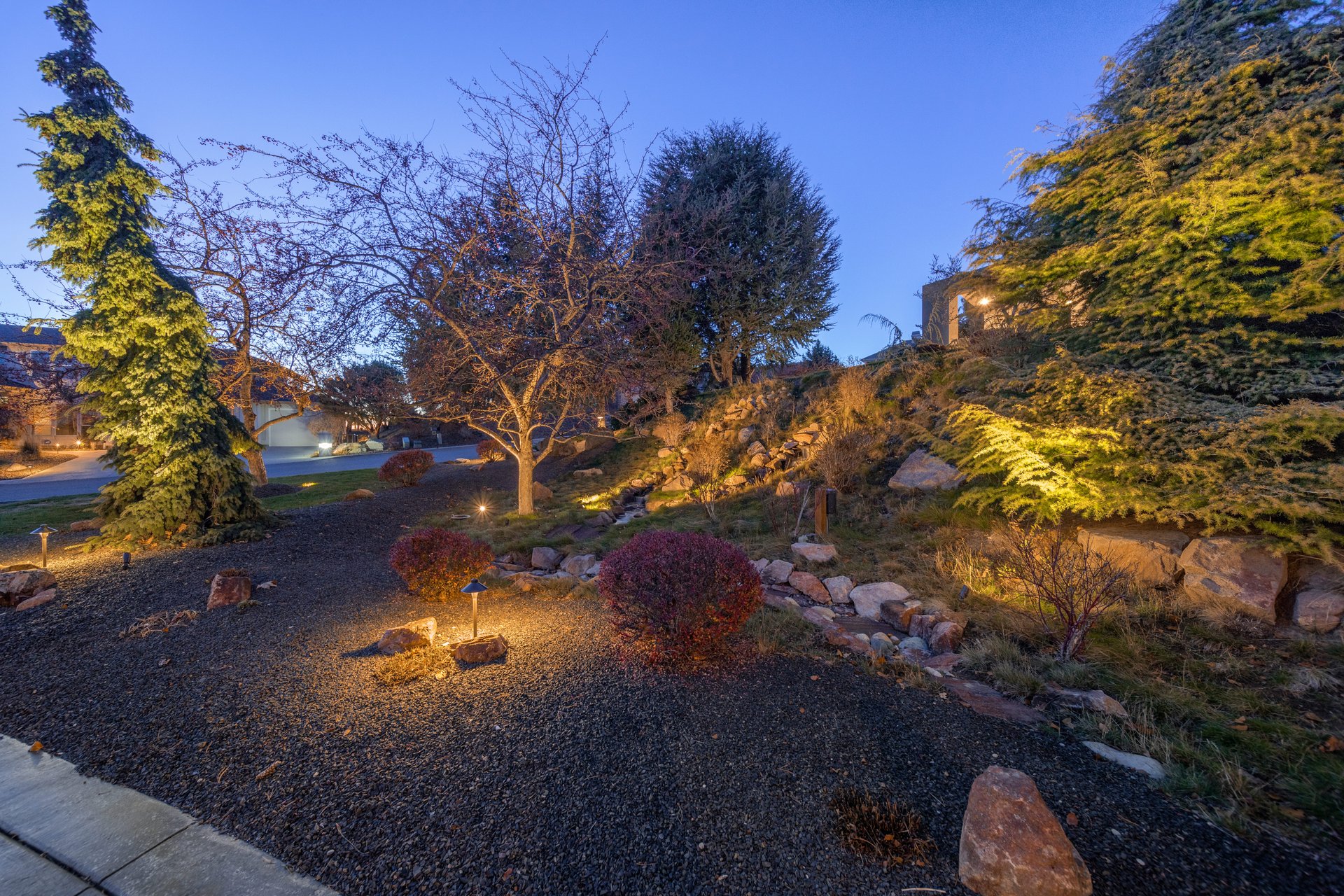
How Accent Lighting Highlights Your Favorite Landscape Features
Accent lighting gives you the opportunity to enjoy your favorite landscape elements long after…
-
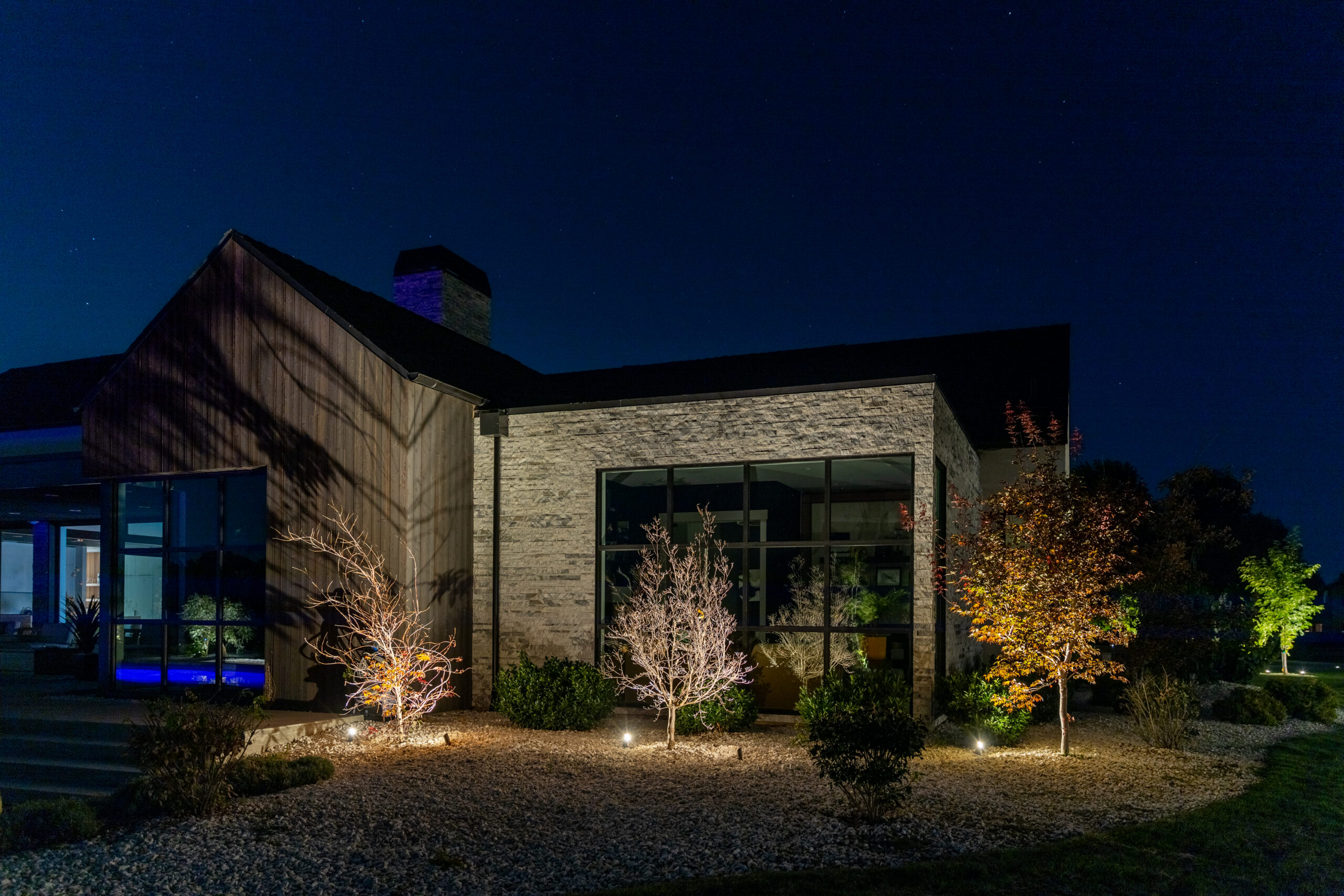
Security Lighting
At Treasure Valley Outdoor Lighting, we design and install custom security lighting solutions that…
-
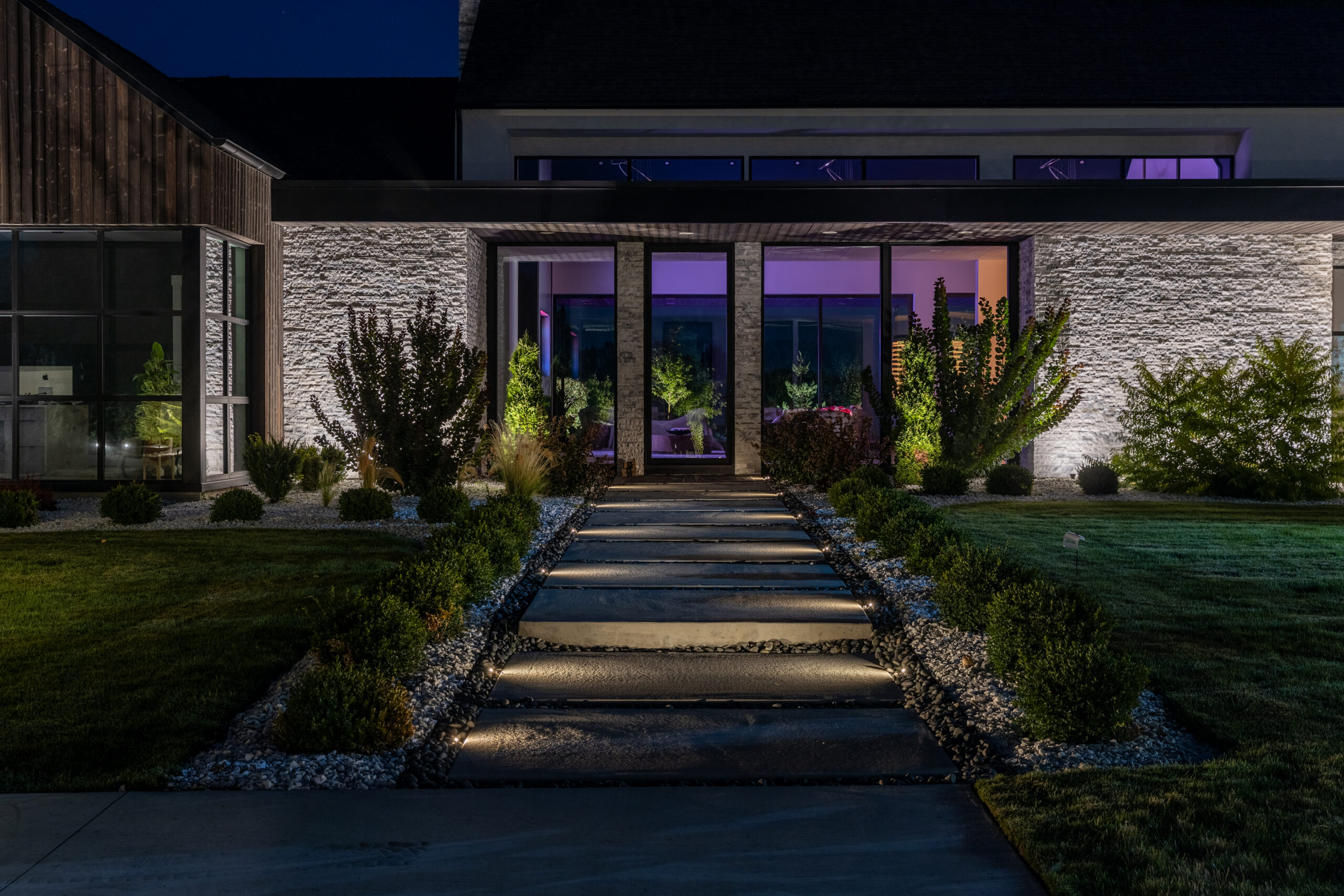
The 6 Best Outdoor Lighting Ideas for Front Entryways
Here are some of the best outdoor lighting ideas to transform your front entryway…