
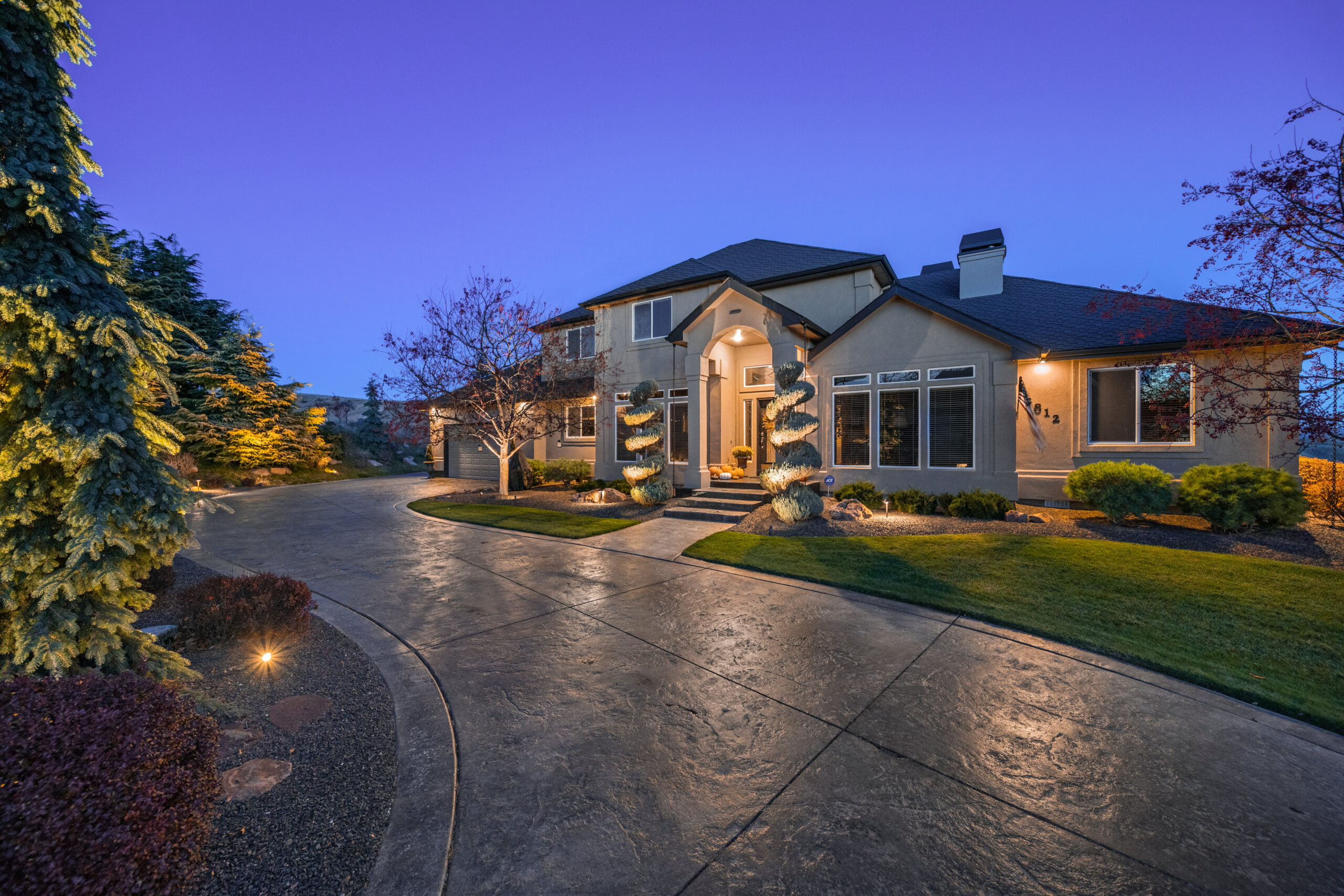
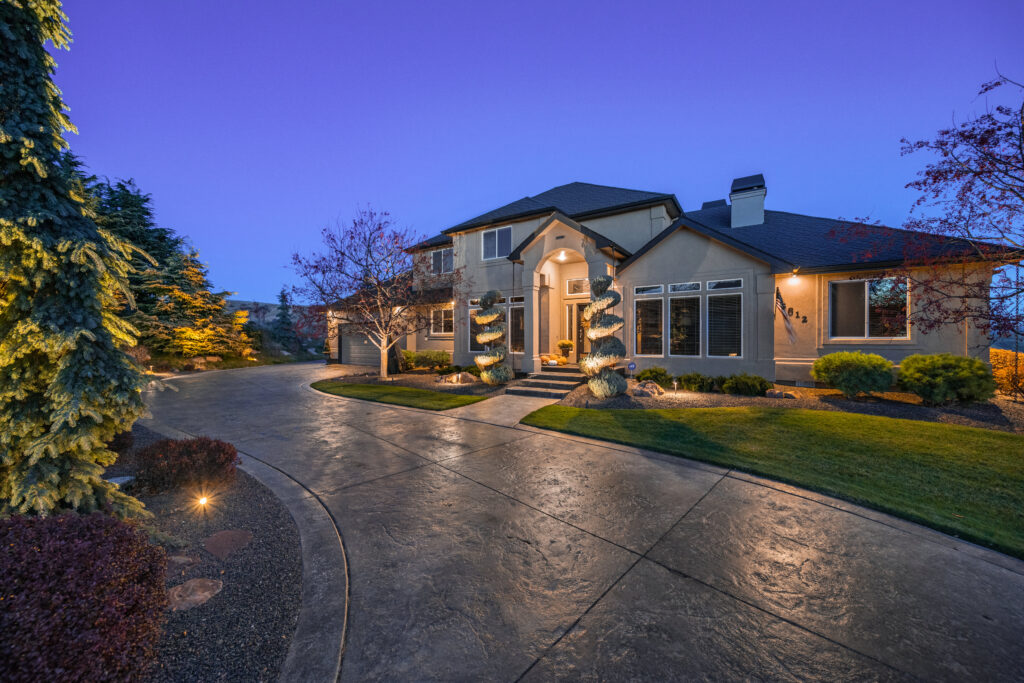
A well-designed landscape can make your home stand out during the day, but the right lighting allows you to enjoy it long after the sun goes down. Thoughtful landscape lighting does more than brighten your yard. It highlights your home’s best features, improves safety, enhances security, and creates a warm, welcoming atmosphere for family and guests.
The key to achieving these benefits is having a plan. Instead of placing lights randomly throughout your property, a carefully designed lighting layout creates balance, depth, and functionality. Here are a few important steps to consider when designing a landscape lighting plan for your property.
1. Start by Identifying Your Goals
Before choosing fixtures, think about what you want your outdoor lighting to accomplish. Every property is unique, and your lighting plan should reflect your priorities. Some homeowners want to improve curb appeal, while others are focused on making walkways safer or creating a more enjoyable backyard for entertaining. You may also want to increase security around your home or highlight beautiful landscaping and architectural details.
Knowing your goals from the beginning will help guide every design decision that follows.
2. Evaluate Your Property After Dark
One of the best ways to plan your lighting is to walk around your property after sunset. Areas that seem perfectly visible during the day may become difficult to navigate at night. Pay attention to places like:
- Front entryways
- Walkways and driveways
- Patios and decks
- Garden beds
- Trees and shrubs
- Outdoor seating areas
- Dark corners around your home
This simple exercise helps you identify where lighting can improve both appearance and safety.
3. Highlight Your Home’s Best Features
A common mistake is trying to light everything equally. Instead, focus on showcasing the features that make your home unique.
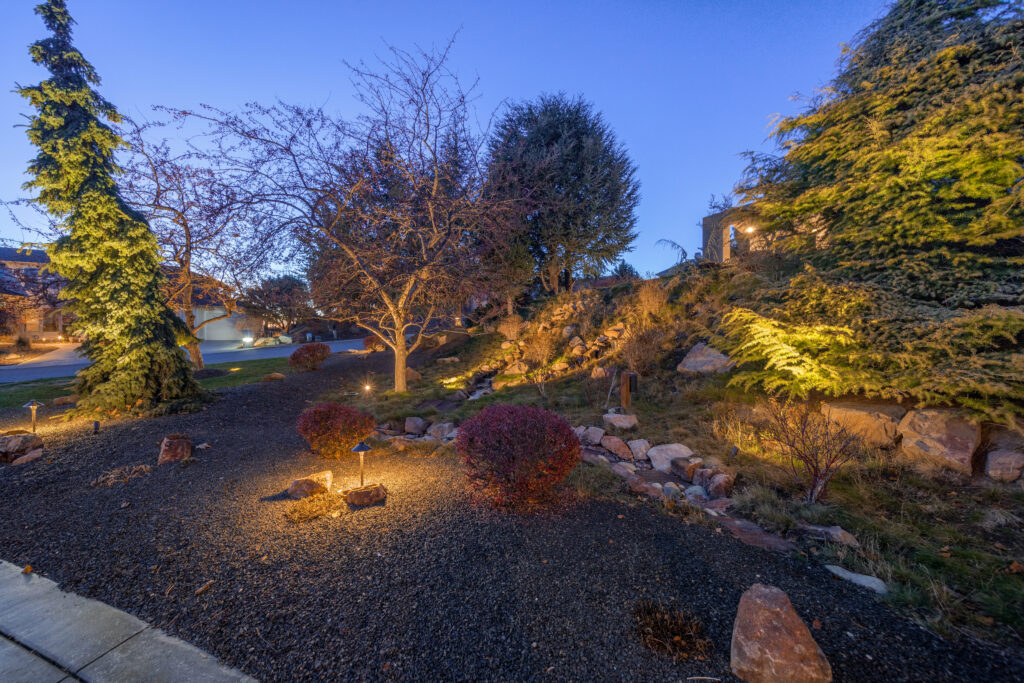
Architectural elements like stone facades, columns, and entryways often look stunning with carefully placed lighting. Landscape features such as mature trees, flower beds, retaining walls, and water features can also become eye-catching focal points after dark.
By highlighting selected areas rather than flooding your yard with light, you create a more natural and visually appealing design.
4. Layer Different Types of Landscape Lighting
The most attractive lighting plans combine several lighting techniques to create depth and balance. Path lighting improves visibility along sidewalks and garden paths while making it easier for guests to move around safely.
Uplighting draws attention to trees, columns, and architectural details by directing light upward from the ground. Downlighting creates a softer effect by placing fixtures above an area, making patios and seating spaces feel warm and inviting.
Accent lighting highlights focal points like sculptures, water features, or ornamental plants, while hardscape lighting built into steps, retaining walls, or outdoor kitchens adds both beauty and functionality.
Using a variety of lighting techniques creates a layered design that feels polished instead of overpowering.
5. Balance Beauty With Safety
Landscape lighting should look beautiful, but it should also make your property safer. Lighting walkways, stairs, driveways, and entryways helps reduce the risk of trips and falls while making your home easier to navigate after dark. Outdoor entertaining spaces also become more functional when they are properly illuminated.
At the same time, avoid using fixtures that are too bright. Excessive lighting can create glare and diminish the relaxing atmosphere you are trying to achieve. Soft, strategically placed lighting often produces the best results.
6. Choose Energy-Efficient LED Fixtures
LED lighting has become the preferred choice for modern landscape lighting systems, and for good reason. LED fixtures use less energy than traditional bulbs, last significantly longer, and require less maintenance. They also provide consistent light and are available in a variety of color temperatures to match the style of your home.
Choosing LED fixtures allows you to enjoy beautiful outdoor lighting while keeping long-term operating costs low.
7. Plan for Future Landscaping Changes
As your property grows and changes, your lighting needs may change as well. Trees become larger, gardens expand, and new outdoor living spaces may be added over time. Planning ahead allows your lighting system to grow with your landscape. A flexible design makes it easier to add fixtures later without completely redesigning the system.
Why Professional Landscape Lighting Design Matters
While do-it-yourself lighting kits can provide basic illumination, a professionally designed system creates a much greater impact. An experienced lighting designer understands how to position fixtures, balance light levels, and highlight your property’s best features without over-lighting the space. Professional installation also ensures your system performs reliably for years to come.
Bring Your Outdoor Space to Life With Treasure Valley Outdoor Lighting
A thoughtful landscape lighting plan can completely transform the way your property looks and functions after sunset. By combining different lighting techniques and focusing on your home’s unique features, you can create an outdoor space that is both beautiful and practical.
At Treasure Valley Outdoor Lighting, we design custom landscape lighting systems that enhance curb appeal, improve safety, and help homeowners enjoy their outdoor spaces long after the sun goes down. Contact our team today to schedule a consultation and discover how professional landscape lighting can bring your property to life.